How to Buy Peptides in Canada Without Learning the Hard Way
That vendor with the professional site and the ‘independently tested’ badge in the corner? Their most recent certificate of analysis might be from a batch they produced eighteen months ago. They’re not necessarily lying to you. They’ve just noticed that most buyers don’t check, and they’ve decided that’s useful. Which tells you something about the relationship they intend to have with you. The peptide market isn’t a scam. It does have a well-documented quality problem, and the solution isn’t complicated. You just need to know what to look for.
1. Know What You’re Actually Buying
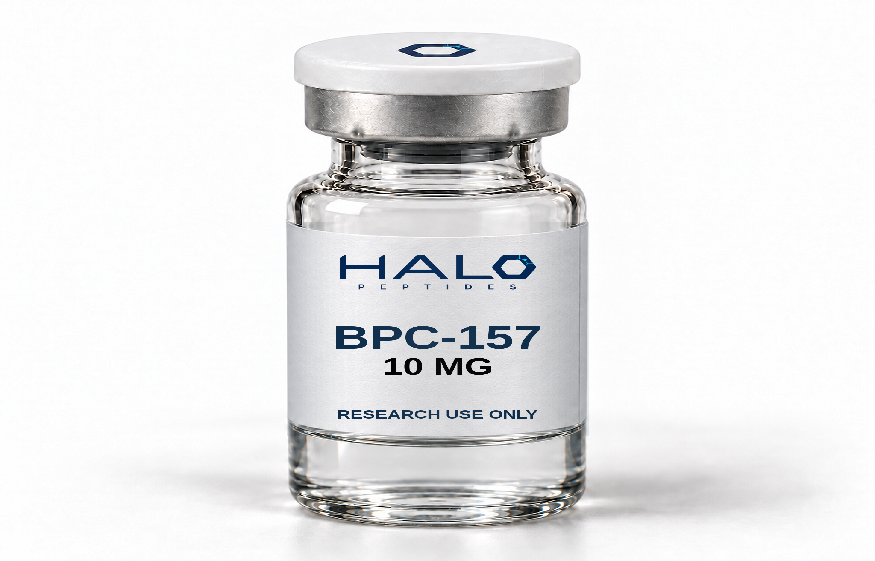
‘Peptide’ on a label is about as specific as ‘medicine’ in a prescription description. You need to know which one. BPC-157 works through pathways that have nothing to do with what ipamorelin does, and collagen peptides aren’t doing anything close to either of them. So buying something because it worked for someone else, without knowing which specific compound they were using, is just expensive guessing. Find out which compound matches your actual situation before you look at a single supplier. That part comes first. Everything after it gets easier.
2. The One Document That Actually Tells You Something
A certificate of analysis from an independent lab is the only objective evidence that what’s on the label is what’s in the vial. Not reviews. Not customer photos. Not the founder’s story. The document shows compound name, purity percentage, testing method, any detected contaminants, and a batch number that ties it to the specific product you’re looking at. That batch number is what most buyers skip past, and it’s the most important element. Without it, the certificate could be describing a different production run from two years ago. Excellent run, maybe. Irrelevant to you.
Read More: WHAT IS THE SCIENCE BEHIND COLLAGEN PEPTIDES?
3. Questions Worth Asking Before You Order
Ask a vendor to name their testing laboratory. Not whether they test. Not what their commitment to quality is. Just the name, then go look it up yourself. A vendor who pivots to ‘we ensure the highest standards’ or mentions they ‘use multiple labs depending on the product’ has given you the answer you needed without the one you asked for. Vendors who have solid documentation tend to volunteer it unprompted. The answers are sitting in documents they’re proud to have. Can’t get a straight answer? That’s an answer.
4. Why Canadian Sourcing Solves a Different Problem Too
When you buy peptides in Canada from a domestic supplier who tests here and ships from here, you’re solving more than just the quality question. Cold chain integrity over a three-week overseas shipment is a real variable. So is customs uncertainty. And when something goes wrong with an international order, recourse is essentially theoretical. A domestic supplier with real documentation, reachable support, and a testing record you can verify eliminates a layer of problems that overseas sourcing introduces whether you want them or not.
Read More: Beyond the Core: How a Hyperbelt Can Elevate Your Fitness Performance
Conclusion
Five minutes before any order. Check if the certificate exists, confirm the batch number matches your product, look up the lab. That’s the whole process. It filters out most problems in this market before they have a chance to become yours. Worth the five minutes.